


-

Add: HeBei ShengShi HongBang Cellulose Technology CO.,LTD.
-

Email
13180486930@163.com -

CONTACT US
+86 13180486930




Methylcellulose An Essential Excipient in Pharmaceutical Innovations In the realm of pharmaceutical science, the importance of excipients can't be overstated. Methylcellulose, a cellulose derivative, stands as a pivotal player in the formulation of various medications, offering unique properties that enhance drug delivery and efficacy. This article explores the multifaceted applications of methylcellulose in pharmaceuticals, underpinned by a deep dive into its characteristics and contributions to modern medicine. Methylcellulose is renowned for its exceptional ability to act as a binder, emulsifier, and controlled-release agent. This versatility stems from its unique chemical structure, which combines cellulose with methyl ethers. This modification endows methylcellulose with hydrophilic and viscoelastic properties, making it invaluable in tablet formation. In experience-driven product development, many formulation scientists have attested to its efficient binding capabilities that ensure tablets are robust and cohesive, yet break down efficiently in the digestive system for optimal drug absorption. Its emulsifying properties are equally significant. Methylcellulose acts as a stabilizer for emulsions, crucial for the production of topical ointments and creams where active pharmaceutical ingredients (APIs) are dispersed in a carrier substance. Expertise in formulation confirms that methylcellulose contributes to the uniform distribution of APIs, enhancing the product's overall therapeutic efficacy. This makes it an indispensable component in dermatological applications, exuding trust through consistent performance and patient outcomes. Controlled-release formulations are the frontier of patient-centric drug delivery systems. Methylcellulose functions as a matrix former in these formulations, providing sustained release of active ingredients over prolonged periods. This minimizes dosing frequency and enhances patient compliance—a testimony to its authoritativeness in pharmaceutical research and development. Numerous clinical studies validate its effectiveness in achieving steady plasma concentration levels of medications, thereby optimizing therapeutic results and reducing side effects. methylcellulose used in pharmaceuticals Notably, the trustworthiness of methylcellulose in pharmaceuticals is anchored on its safety profile . It is an inert compound, not absorbed systemically, reducing the risk of adverse effects. This inertness, coupled with its biodegradability, makes methylcellulose an eco-friendly choice for pharmaceutical industries committed to sustainable practices. Regulatory agencies, including the FDA, have extensively reviewed and approved its use across various drug formulations, further cementing its status as a reliable excipient. Furthermore, patient experience with methylcellulose-based products is overwhelmingly positive. Anecdotal evidence and patient testimonials highlight improved compliance due to the ease of administration and the enhanced stability of formulations. This feedback, gathered over years of clinical use, continuously informs improvements in product design and delivery methods, reinforcing methylcellulose's place in pharmaceutical innovation. As the pharmaceutical landscape evolves, the demand for novel delivery systems and patient-friendly formulations grows. Methylcellulose, with its diverse applications and proven benefits, remains at the forefront of this evolution. It epitomizes the intersection of scientific innovation and practical application, underscoring the importance of excipients in the advancement of healthcare solutions. By integrating methylcellulose with technological advancements, pharmaceutical companies not only enhance the quality and efficacy of their products but also fortify their reputation in the industry. Thus, methylcellulose is not merely an excipient; it is a cornerstone of pharmaceutical excellence, instrumental in shaping the future of medicine.
- 40000tons

Production
- 20+years

Experience
- 5000+㎡

Acreage

-
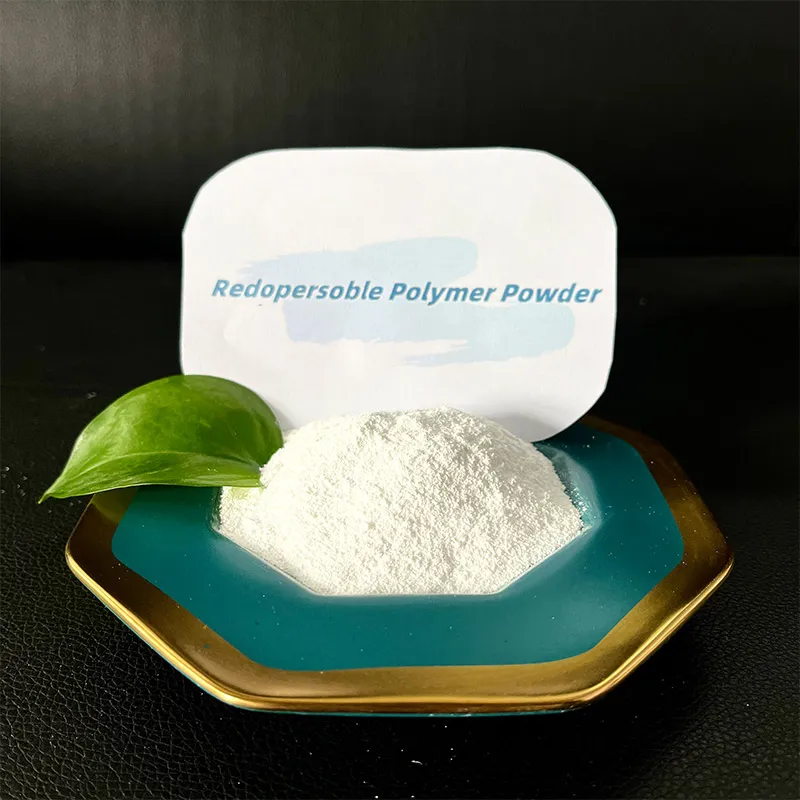
Methocel F50 is a trademarked brand of methylcellulose ether, commonly used as a thickener, emulsifier, and stabilizer in various applications, ranging from food to pharmaceuticals and industrial processes. Leveraging its unique properties, companies across sectors have found innovative ways to incorporate Methocel F50 into their products, enhancing both functionality and consumer appeal. From a professional perspective, Methocel F50 is celebrated for its versatility . As a non-toxic and hypoallergenic compound, it meets rigorous safety standards, making it suitable for a plethora of applications. In the food industry, for instance, Methocel F50 is often employed to improve texture and consistency in gluten-free products, which usually suffer from density and elasticity issues. The result is gluten-free bread and pastries that mimic the texture and appeal of their traditional counterparts, thus gaining favor among consumers adhering to gluten-free diets. In pharmaceuticals, Methocel F50 serves as an excipient—an inert substance formulated alongside the active ingredient of a medication. Its role in drug formulation is pivotal; as a controlled-release agent, it aids in the gradual release of medication, thereby enhancing efficacy and improving patient compliance. Medical professionals and pharmaceutical experts recognize Methocel F50 for these characteristics, valuing its capacity to maintain consistent performance and ensure product stability over time. In industrial applications, Methocel F50 offers exceptional performance due to its thermal gelation properties. It is often used in the production of building materials and coatings, where it acts as a thickener to control viscosity without compromising strength or durability. This characteristic not only optimizes the manufacturing process but also enhances the end product's quality, reinforcing the product's market competitiveness. methocel f50 The authority of Methocel F50 within its respective domains is well-documented through extensive research and industry validation. Companies utilizing Methocel F50 have reported significant improvements in their product's performance, backed by empirical data and continuous innovation in application techniques. Moreover, its adherence to global safety and quality standards further cements its position as a trusted ingredient across industries. Trust in Methocel F50 is further bolstered by its transparency in formulation and the traceability of its sourcing. Manufacturers are keen to provide detailed information regarding its composition, ensuring that end-users and professionals are well-informed regarding its application and safety. This open communication fosters confidence among consumers and industry experts alike, who prioritize transparency in the products they choose to use or recommend. In summary, Methocel F50 is distinguished by its unmatched versatility and reliability across multiple sectors. Its ability to adapt to diverse applications while meeting stringent safety and quality norms makes it an invaluable component in innovation. As industries continue to evolve, the expertise surrounding Methocel F50 will likely expand, introducing new possibilities and maintaining its relevance in an ever-changing market landscape.
-

Nitrile rubber powder , a versatile polymer, is becoming an indispensable asset in numerous industrial sectors. Its unique attributes make it a go-to material for applications requiring resilience, durability, and flexibility. Exploring the numerous facets of nitrile rubber powder provides insight into why it is favored by industries ranging from automotive to consumer goods. Renowned for its remarkable resistance to oils, chemicals, and heat, nitrile rubber powder is a material that stands out for its durability. This attribute is particularly advantageous in manufacturing automotive components such as seals, gaskets, and hoses that frequently encounter harsh environments. These components require a material that does not degrade quickly, thereby ensuring extended service life and reliability in vehicle performance. Another noteworthy feature of nitrile rubber powder is its flexibility. Despite being robust, it can be easily molded, which makes it ideal for creating detailed and complex parts without compromising on strength. Flexibility is a key factor in producing items that require precision and adaptability, such as O-rings and cushioning materials used in various machinery and consumer products. In addition to flexibility and durability, nitrile rubber powder exhibits excellent adhesive properties. This allows for enhanced bonding when combined with other materials, which is crucial in crafting composite products used in construction, electronics, and healthcare. For example, in the construction industry, it is used in adhesives and sealants to provide waterproofing and integrity to structures, ensuring they withstand time and environmental factors. One cannot overlook nitrile rubber powder’s resistance to temperature variations. Its ability to maintain structural integrity across a wide temperature range makes it invaluable for applications exposed to extreme conditions, such as in aerospace or refrigeration systems. In these scenarios, the material’s performance determines safety and functionality, underscoring its importance in critical applications. nitrile rubber powder Moreover, nitrile rubber powder's ease of handling and processing makes it cost-effective for manufacturers. The efficiency in production translates to lower costs without sacrificing quality, a crucial factor for industries aiming to optimize expenditure while maintaining high standards. This aspect is vital for large-scale manufacturing operations where consistency and efficiency are paramount. From an environmental standpoint, nitrile rubber powder’s development has focused on reducing its ecological footprint. Manufacturers are investing in eco-friendly production methods, including recycling initiatives and the creation of compounds that reduce emissions and waste. This focus aligns with global movements towards sustainability, making nitrile rubber powder an attractive option for companies prioritizing environmentally conscious practices. Healthcare is another sector reaping the benefits of nitrile rubber powder. Its hypoallergenic properties make it suitable for producing medical devices and protective gear, such as gloves, which are essential in hospital settings. The material's robustness ensures that these products provide the necessary protection against contaminants, ensuring the safety of healthcare professionals and patients alike. Additionally, recent advancements in polymer chemistry have propelled nitrile rubber powder into new realms of innovation. Research and development are unlocking new potentials, such as enhancing its electrical conductivity for use in electronic parts, thereby widening its scope of application. Such innovations not only elevate the utility of nitrile rubber powder but also reinforce its standing as a premium choice for cutting-edge developments. In summary, nitrile rubber powder is an essential material whose attributes cater to various industry needs, from resisting adverse conditions to providing cost-efficient manufacturing benefits. As industries continue to evolve, the adaptability and reliability of nitrile rubber powder ensure its place as a cornerstone material in both traditional and emerging applications. The ongoing research and shift towards sustainable practices promise a bright future for this polymer, underscoring its role in advancing industrial innovation and environmental responsibility.
advantages
-

200000 Viscosities
Excellent product
We can produce pure products up to 200,000 viscosities
-

40000 tons
High yield
We don’t stop production all year round, and the annual output can reach 40,000 tons
-

24 hours
Quality service
We provide 24-hours online reception service, welcome to consult at any time
———— Inquiry Form
Schedule A services


-
 kahoy_at_cellulosic_chemistry
Oct . 25, 2025
The evolution of modern construction materials has positioned starch ether as an indispensable compo -
 retarder_in_gypsum
Oct . 25, 2025
Extra time plaster additives have revolutionized the construction and renovation industry, providing -
 hydroxypropyl_methyl_cellulose_cas_no
Oct . 25, 2025
For consumers and industry professionals searching for innovative food additives, sodium hydroxyprop


